What happens when education is designed for women and girls’ realities
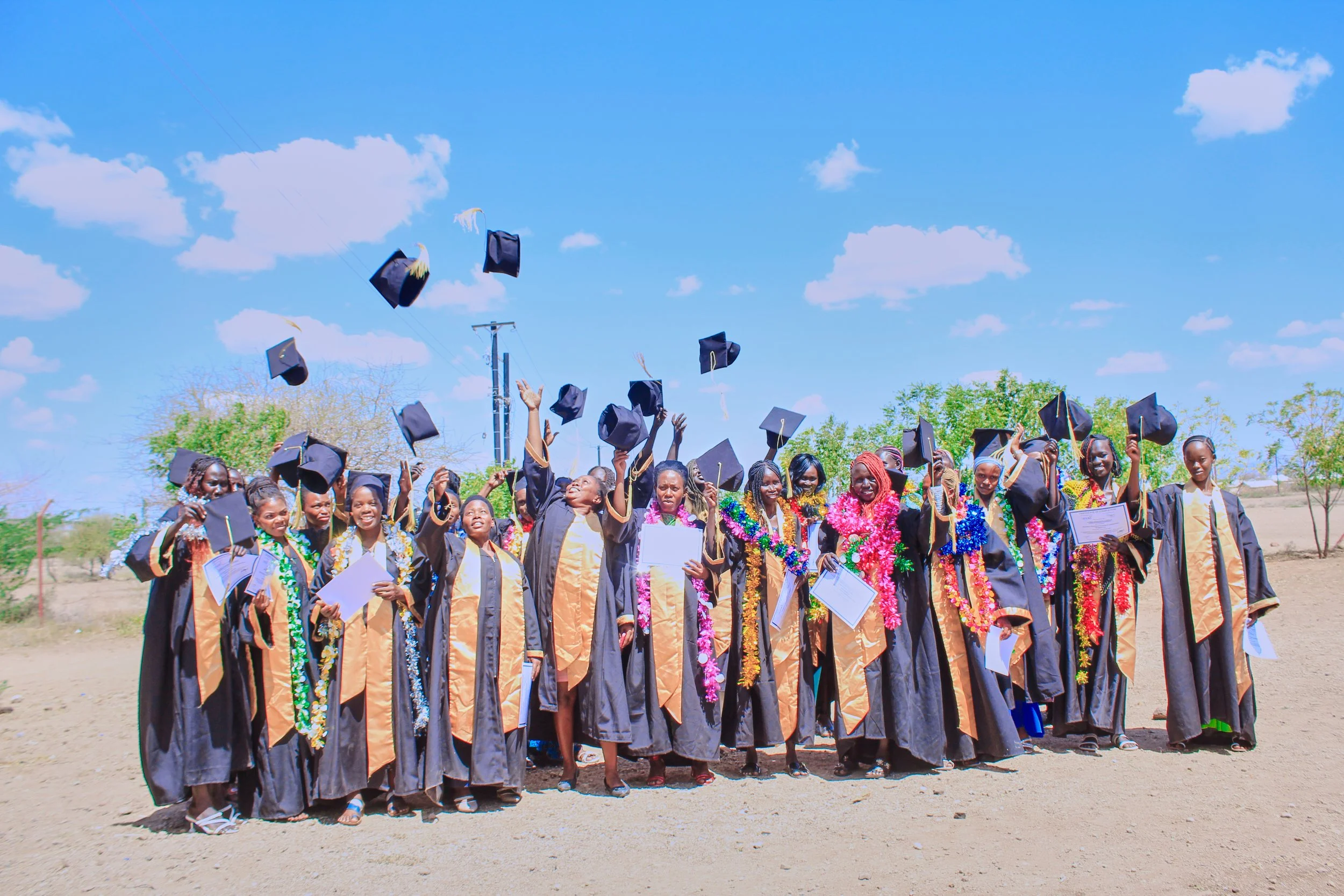
Our new films show how Amala adapted programmes to meet the needs of female learners, including the launch of a new tailored social entrepreneurship programme for women and girls.
Across East Africa, more than 2.8 million refugee women and girls are living with limited access to education. Only a third of those in post-primary education are female. Many face serious barriers to enrolling in - and staying in - school. Early marriage, caregiving responsibilities, safety concerns, and poverty and financial pressures are among the challenges facing girls and women who are living as refugees in Kakuma Camp, Kalobeyei Settlement and Uganda where Amala works. Too often, this means they are not only excluded from school, but are locked out of employment and economic independence too.
“I am Sudanese and come from a background where women are not allowed to go to school past Grade 5. When we came here, we saw that things were different. There were policies in place - girls could access education. But culture does not disappear when you cross a border.”
When refugee girls and women are shut out of education, they are denied the opportunity to break the cycle of poverty and hold onto dignity and hope. Their families are less likely to be prosperous. And entire communities lose future leaders and peacebuilders.
In early cohorts of the Amala Global Secondary Diploma (GSD), female participation was as low as 13%. Five years ago, just 14% of Amala Changemaker Course graduates were female. We noticed that many women were quietly disengaging or not applying for our programmes at all. It signalled to us that access alone was not enough, and the Amala team actively set out to address this gap.
Listening and adapting our programmes
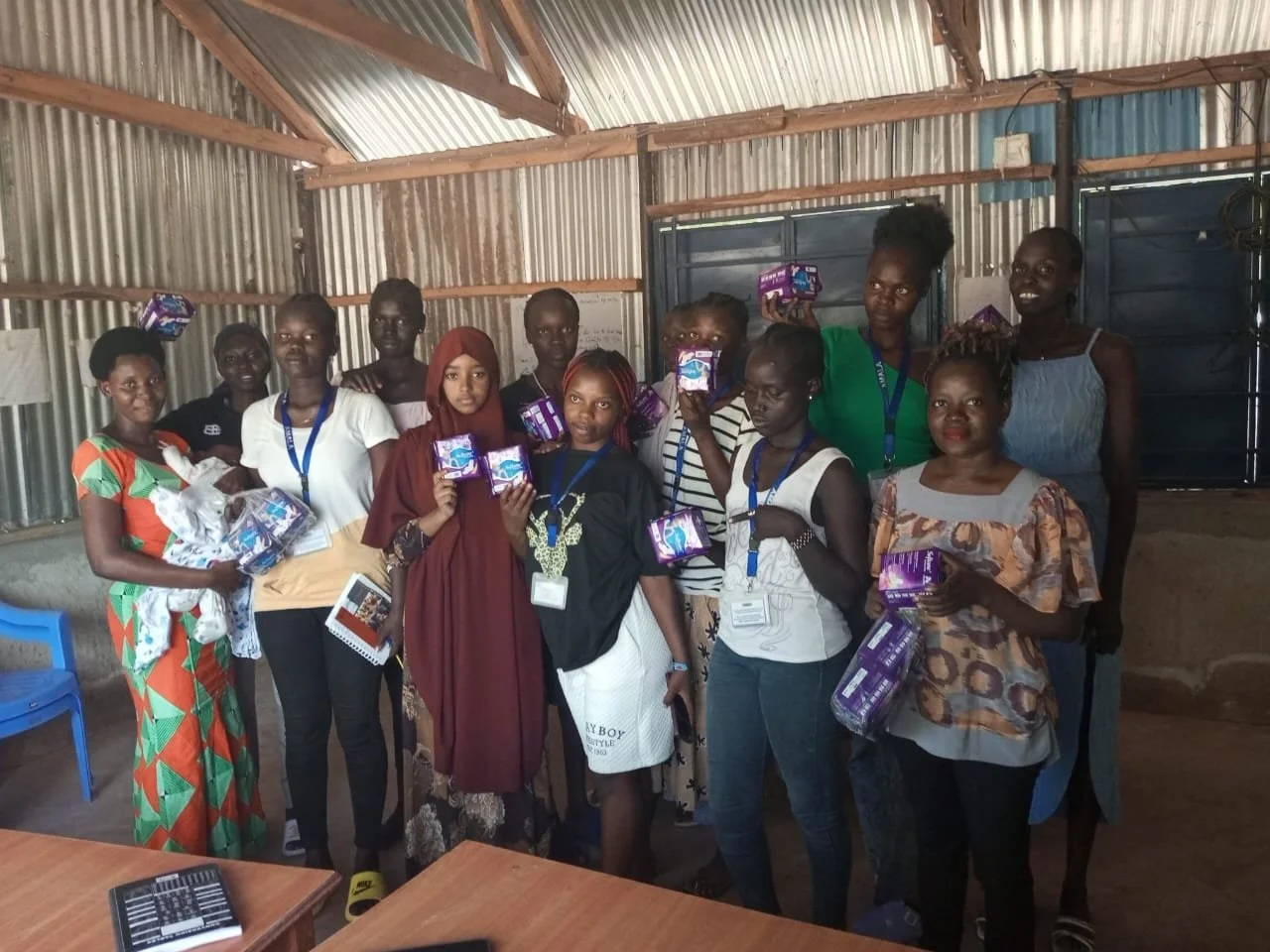
Working closely with educators and refugee-led partners, the Amala team began to better understand what was shaping women’s participation.
We had conversations with students and alumni to find out about the barriers that lay behind the data, and looked at examples of what worked when learning environments felt more intentional and supportive. From this, we made changes to the recruitment approaches to the programme structure and support package of the GSD, with a strong focus on what female learners need to enrol and stay engaged.
When it came to our Changemaker Courses, we designed a new programme to reach some of those most excluded from education - women and mothers living as refugees.
Launching the Women’s Entrepreneurship and Leadership Programme
How did we create a programme that enables refugee women to challenge cycles of poverty and build confidence, skills and pathways to sustainable livelihoods?
“In 2025, we launched the Women’s Entrepreneurship and Leadership Programme (WELP), a dedicated female-only programme focused on leadership, livelihood and agency, designed intentionally around women’s realities in refugee contexts”, says Jessica, Amala’s Global Programmes Manager. WELP combines practical entrepreneurship training with mentorship and tailored support such as flexible learning, dignity kits, transport stipends and childcare so that women - many of whom are mothers - could take part.
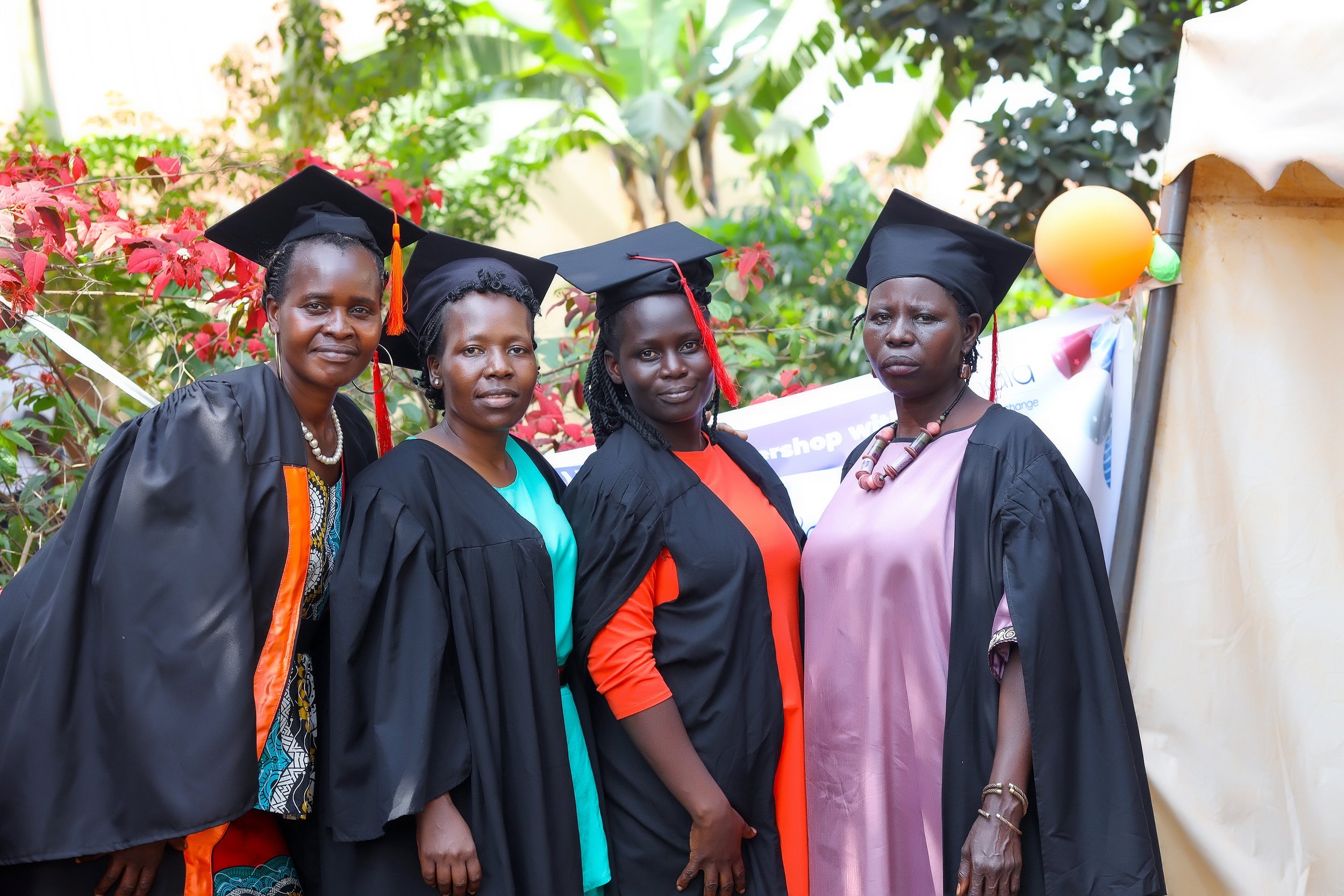
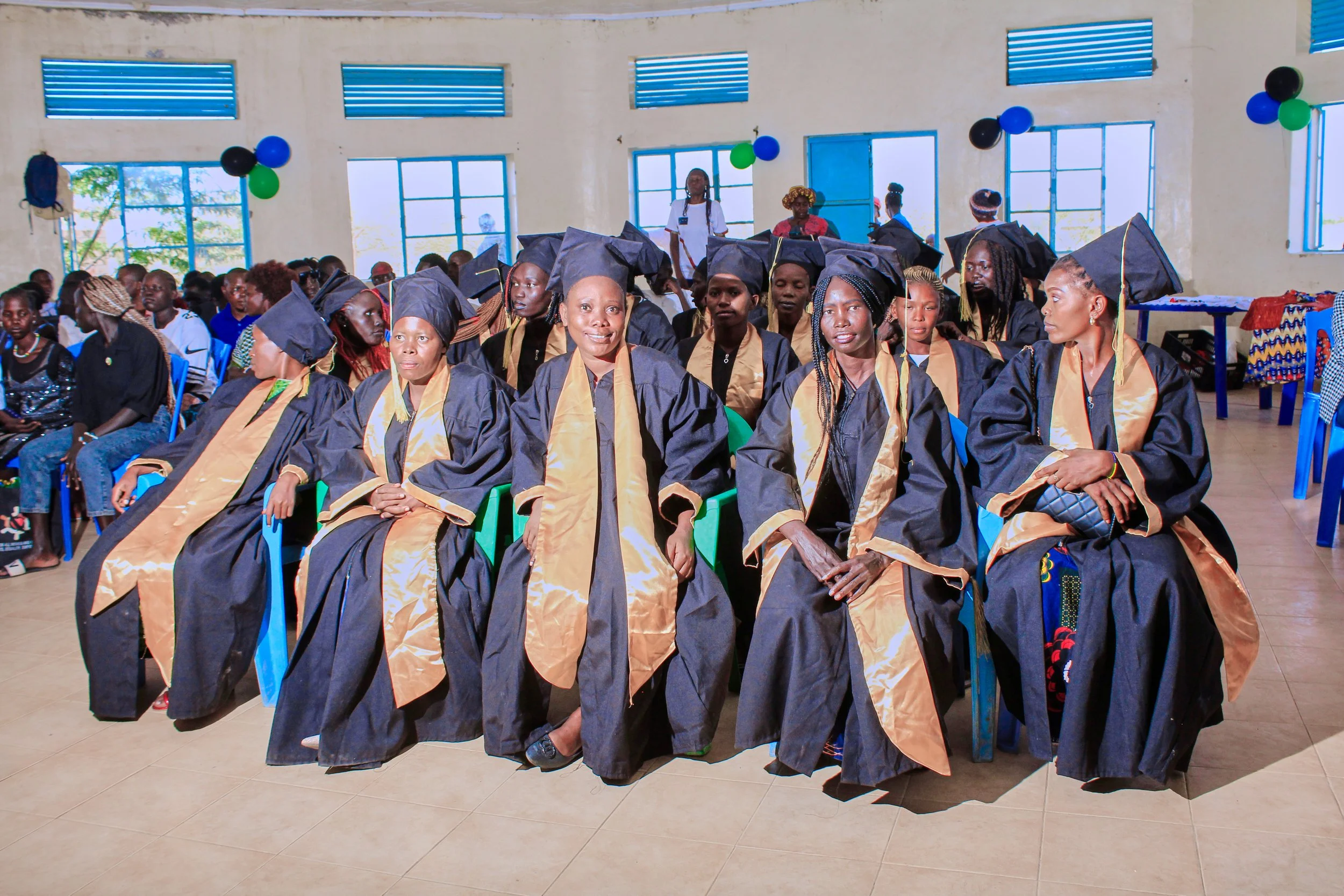
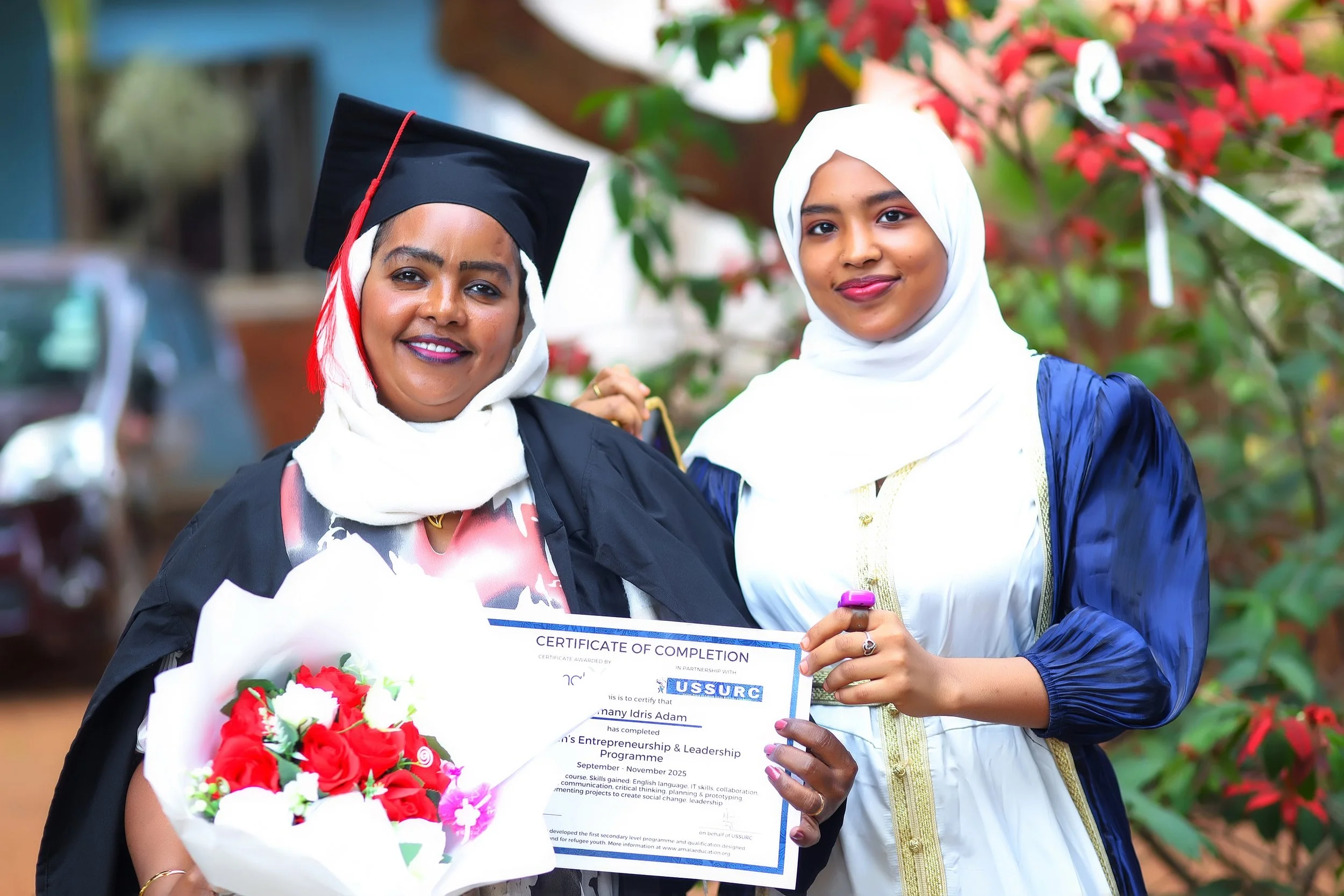
Ki4Bli delivers WELP in Kalobeyei Settlement in Kenya, and Amala partner USSURC runs it in Kampala, Uganda. Delivered by all female, refugee-led educator teams, the ten week intensive programme equips young women with essential skills in financial literacy, leadership, problem-solving and business development. Local female entrepreneurs and leaders offer guest sessions, and learners become part of a wider mentorship network. To kickstart their businesses, seed funding grants are available as part of the programme.
Alongside the adaptations we made to the GSD, WELP represents a more intentional approach: not just increasing access, but designing programmes that actually work for women who are living in exile.
Wilma, learner to leader in Kalobeyei
Wilma, who is from South Sudan, is a graduate of the Amala GSD and a mother. Amala supported Wilma with a tablet to continue her learning when she gave birth, and she went on to complete the programme with flying colours. Her time at Amala led to the development of a project called End Violence Against Women and Girls, which won a significant grant from the UN to scale up its activities. Wilma’s organisation focuses on mentorship, engaging men through accountable practices, and psychosocial support for those experiencing trauma, including group and individual therapy sessions. In addition, Wilma coordinates the WELP programme in Kalobeyei Settlement, bringing her experience to support other women who are starting up their businesses.
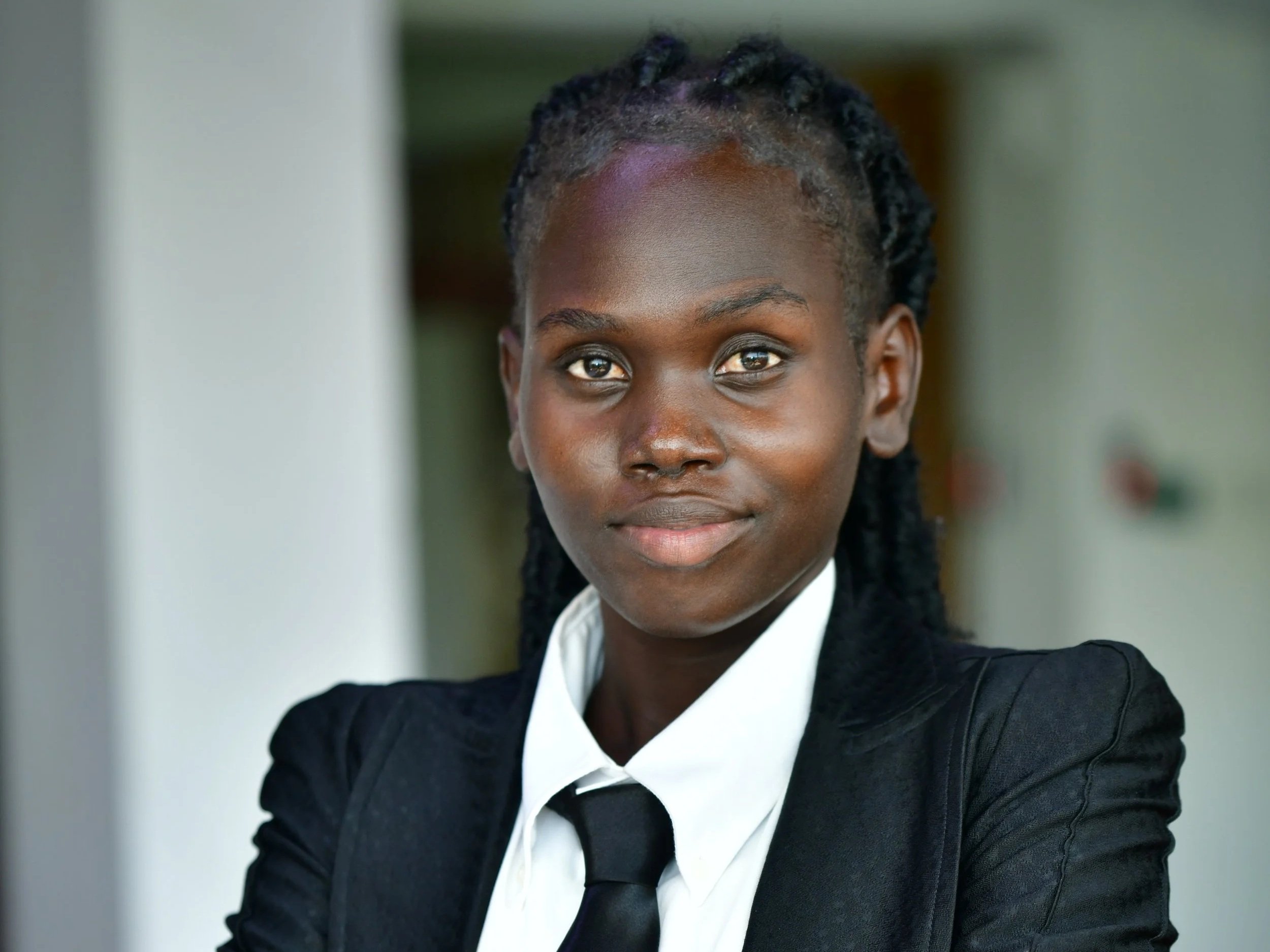
“I’m hopeful that we are changing to a growth mindset, whereby women become leaders and entrepreneurs in the camp.”
The impact that we’re seeing
“The problem was that we couldn’t attend class because of having kids and our husbands, and that’s why we were always left behind. Amala brought this special programme for us so that we can benefit and develop our project in the future.”
The shift when programmes are designed intentionally and adapted for women and girls’ realities is clear. Female enrolment in current GSD cohorts is now 48%. 66% of female learners remained engaged last year, and women made up 49% of Changemaker Course graduates in 2025.
The impact coming out of the WELP programme showed immediately that the approach worked. The retention rate is 98%. 68% of participants have launched or revived a small business, 58% of these are generating income, and almost all participants say that their wellbeing improved as a result of taking part. 131 women have benefitted directly from the programme, with their families and communities seeing the results too - through businesses which are having an impact in the community and inspiring others.
Just a few examples of business created by WELP participants include Unity of Women, featured in the video, an initiative which fosters economic empowerment and social cohesion between refugees and the host community through tailoring.
Poultry Farming for Sustainable Livelihood creates food security and sustainable income through poultry rearing, and Meal of Hope supplies nutrient rich porridge.
Fatuma, who took part in WELP in Uganda, says that she learned “a lot about entrepreneurship”:
“Before when I was doing my business, I would make my bags and bedsheets and my mum did all the selling. I didn’t even know how to speak about my business, how to market it, but when I came here I learned a lot about how to sell, how to develop a brand, and how to pitch. It gave me the confidence to stand and talk and express myself and my business.”
The future when women lead change
“I feel hopeful about my future, since now I’ve got my diploma and I can access higher education. And I feel really proud that I’m about to implement my project, whereby I can create impact for a lot of women and girls in different communities.”
Education for women and girls who are living as refugees is about more than just access to programmes. It means designing with their realities in mind, and continually adapting to ensure the education on offer is equitable. We see that WELP is contributing to longer-term economic independence and community resilience. Because when women are able to learn, earn, and lead, the impact extends far beyond the individual.
Videos produced by Kakuwud Films, a media production agency based in Kakuma Refugee Camp, run by an Amala student and a talented group of refugee filmmakers.
Visit Amala’s YouTube channel to see more videos, head to our blog for more student stories and follow us on social media or subscribe to our newsletter for all the latest news.