“Amala made me think like an entrepreneur”: Marcelin - farmer, community leader and alumnus - tells his story
It’s 2015. Marcelin is forced to flee from his native DRC to Kakuma Refugee Camp in northern Kenya, arriving with no English, no documents, and no qualifications, but determined to finish his education.
The camp is vast, dry and dusty, a world away from the forests of DRC that Marcelin had grown up in. When he tried to enrol in secondary school, he was turned away and told to start again at primary level. He showed up on his first day in the short trousers that were part of the uniform. The younger children pointed at the hair on his legs and laughed. He didn’t go back.
As well as not being able to continue his education, daily life in the camp was extremely difficult for Marcelin. The food rations weren’t enough and Marcelin was going hungry. His parents back in DRC had been farmers and he had grown up watching them work the land and grow their own food, so he decided to try it in Kakuma.
“At the beginning, I was struggling a lot,” said Marcelin, “because the soil is not the same as in Congo, so I couldn’t apply what my dad used to do.” It was a learning curve, but Marcelin was resourceful, and used waste water from the community tap and seeds from the market to grow enough in his garden to have daily food for himself and even provide some others in his community with vegetables. He took cassava lead cuttings from a local farm and gave them out to women who were interested in his garden.
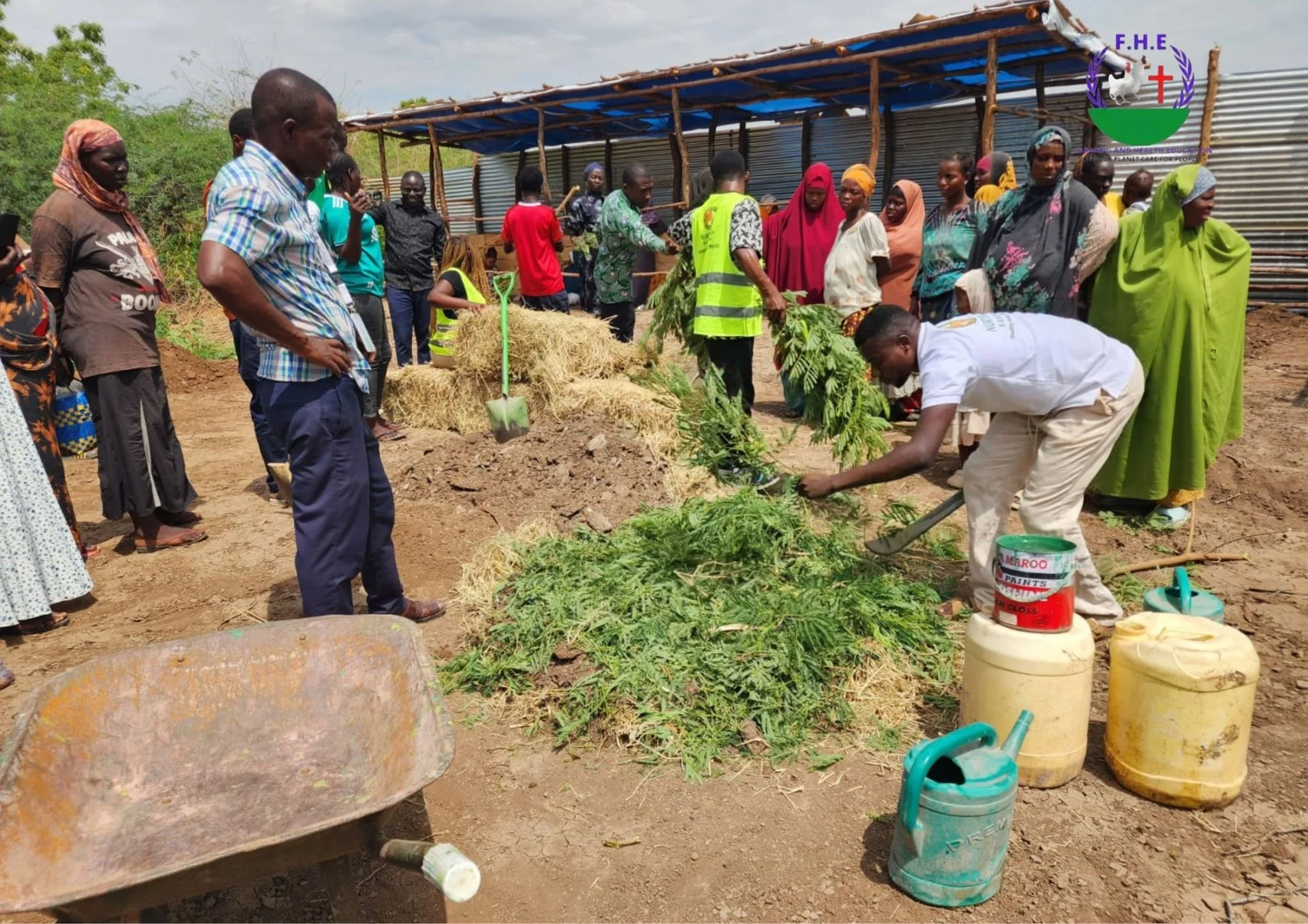
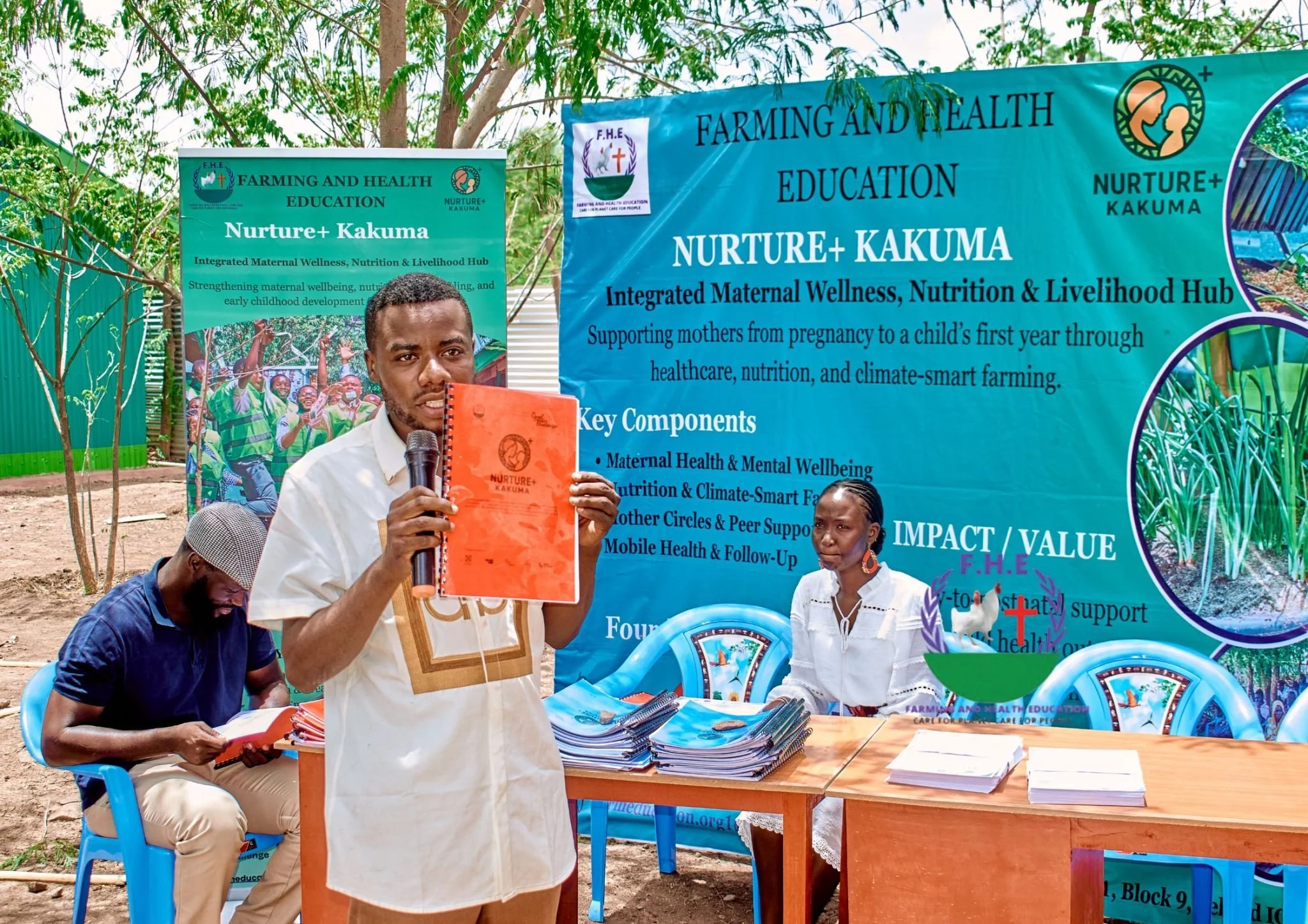
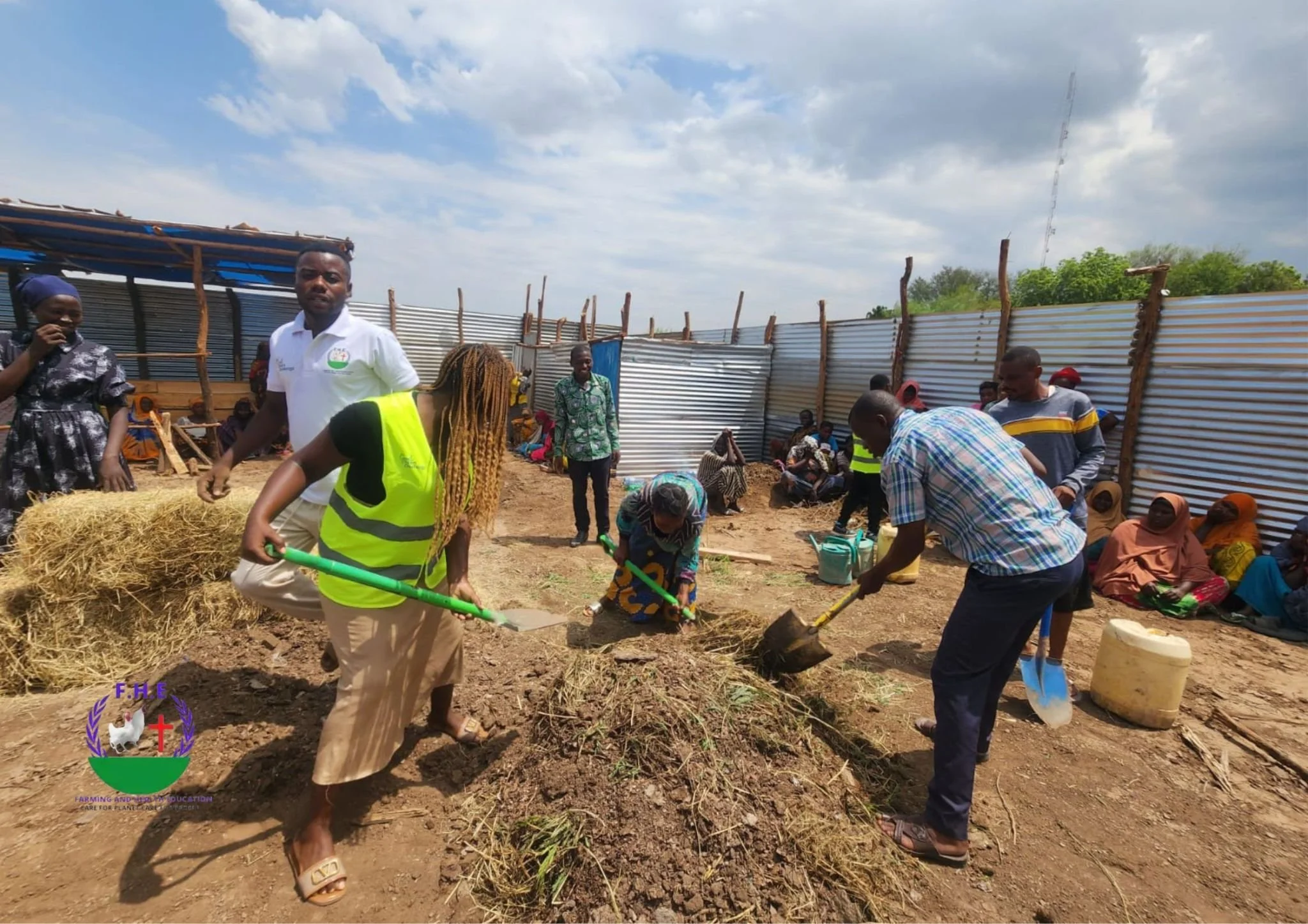
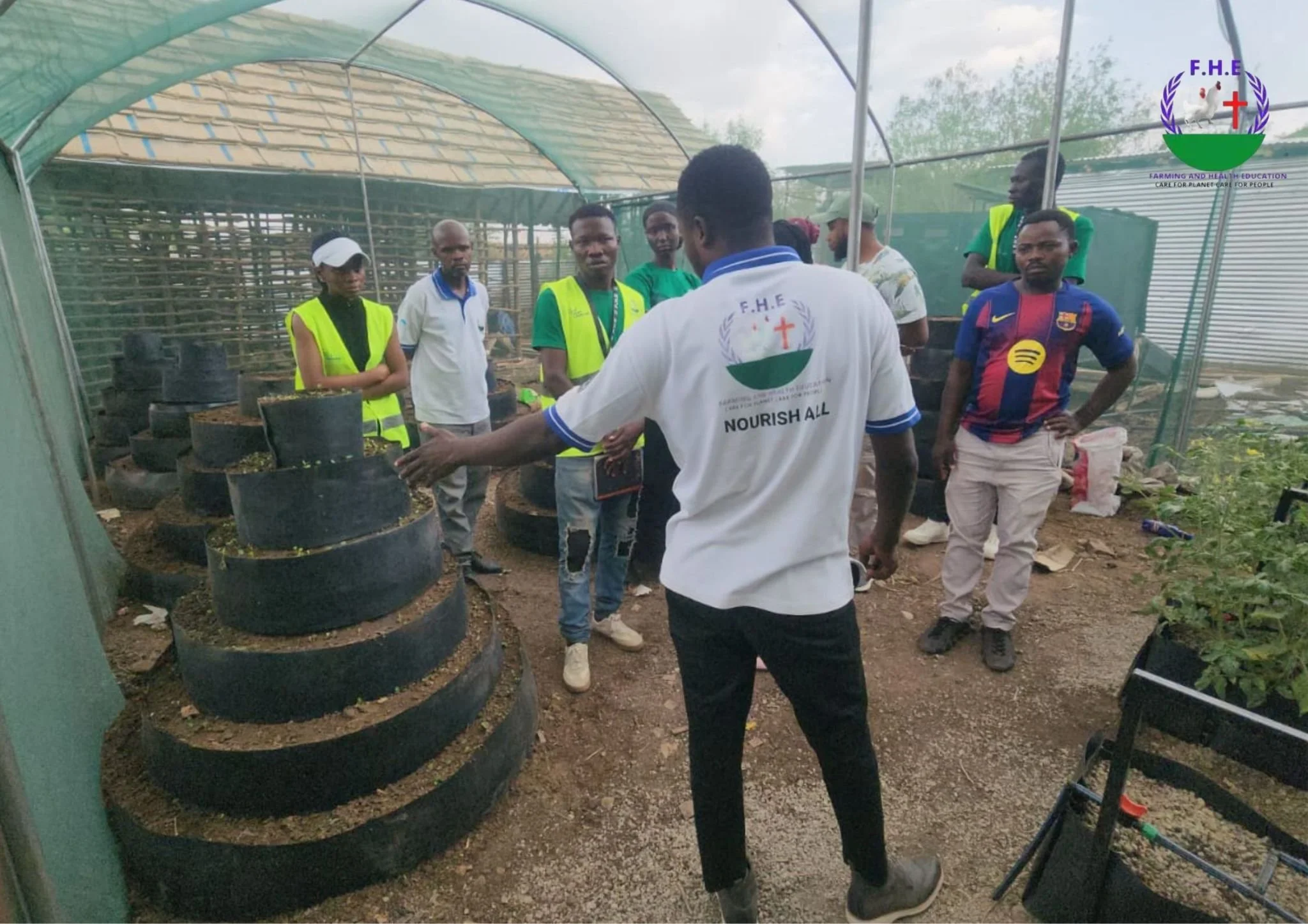
Then in 2018, Marcelin’s neighbour, Mama Fabiola, became ill, and had to sell her food rations to buy medication. Marcelin called on his colleagues to help Mama Fabiola start a garden so that she could sell vegetables for medication money instead. This was the start of Marcelin’s CBO, Farming and Health Education (FHE), which at the start was about enabling local women and children to become more aware of nutrition and health.
But Marcelin struggled with feelings of not being educated enough, and found leading the CBO challenging because of some of his colleagues having a higher level of education than him. And that’s where Amala came in.
Marcelin says, “Amala gave me confidence and the chance to join university. It gave me the chance to connect with fellow students. For me, Amala is not just just education, it’s capacity building and team building.” And on a personal level, it was even more transformative. “Amala opened my mind”, Marcelin says. “I learnt a lot about ethical leadership. It shaped my mind about how to lead meetings, how to communicate. It also helped me create an enterprise”.
For his Personal Interest Project (a core element of the Amala Global Secondary Diploma), Marcelin created Green Hope Harvest, now acting as the social enterprise arm of his CBO, Farming and Health Education.
“Amala taught me how to think creatively and bring new solutions to the community - and that’s when I thought of edible mushrooms. And Amala was an opportunity to turn knowledge into something professional.”
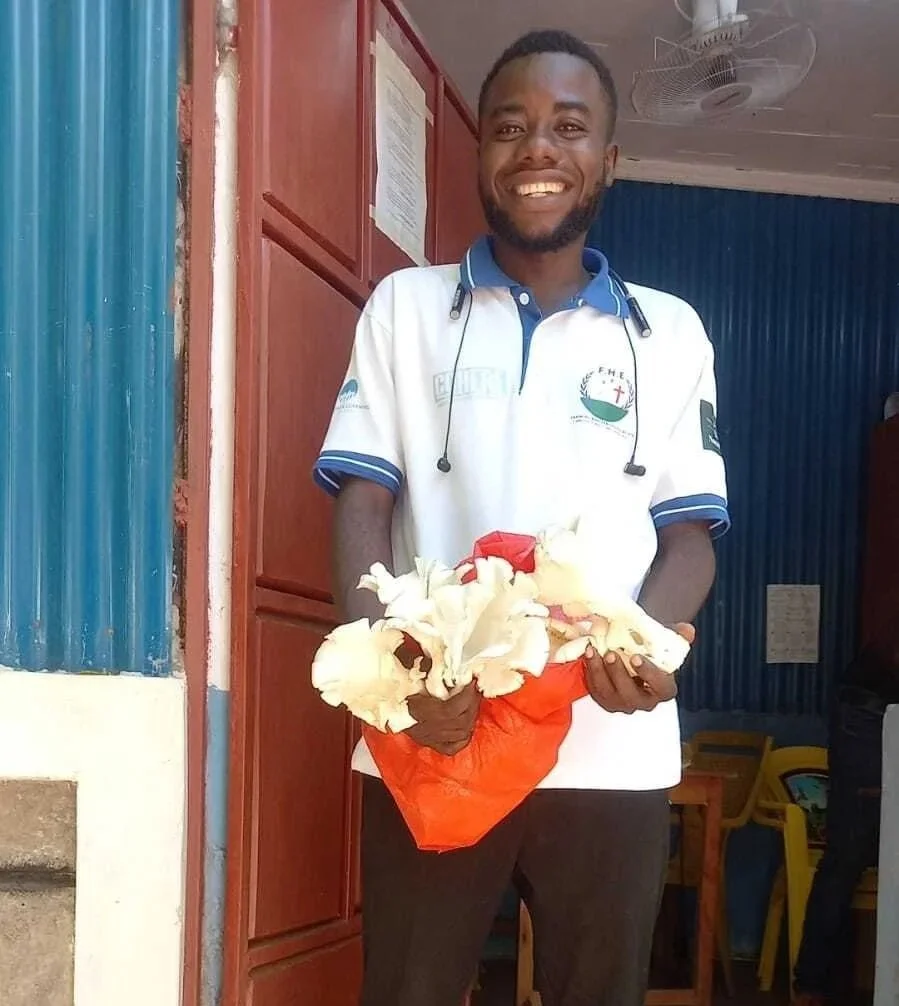
At home in DRC, mushrooms were a staple. He watched YouTube tutorials about mushroom growing, and created a small mud house. It surprised Marcelin that the mushroom growing worked instantly, even at a small scale. He started in a 3x3 area, which he has now grown to a 10x10 space, complete with a dark room and a growing room. Marcelin now sells the oyster mushrooms that he grows at a lower price to the community than they’d be able to purchase in the supermarket, selling at around 500 shillings a kilo. And the process is completely sustainable: Green Hope Harvest uses agricultural waste like sawdust and cotton and maize husks for compost. “After harvesting the mushrooms, we’re left with organic compost, which we sell to other farmers”. Marcelin currently distributes at a household level, and is starting to branch out to sell to schools, hospitals and markets. He is now thinking about how to scale the enterprise, into new avenues like mushroom powder, porridge, juices and lotions. Marcelin links his time at Amala with this entrepreneurial mindset. “Amala made me think like an entrepreneur”, he says. Through Green Hope Harvest, “I got the money to keep on moving”.
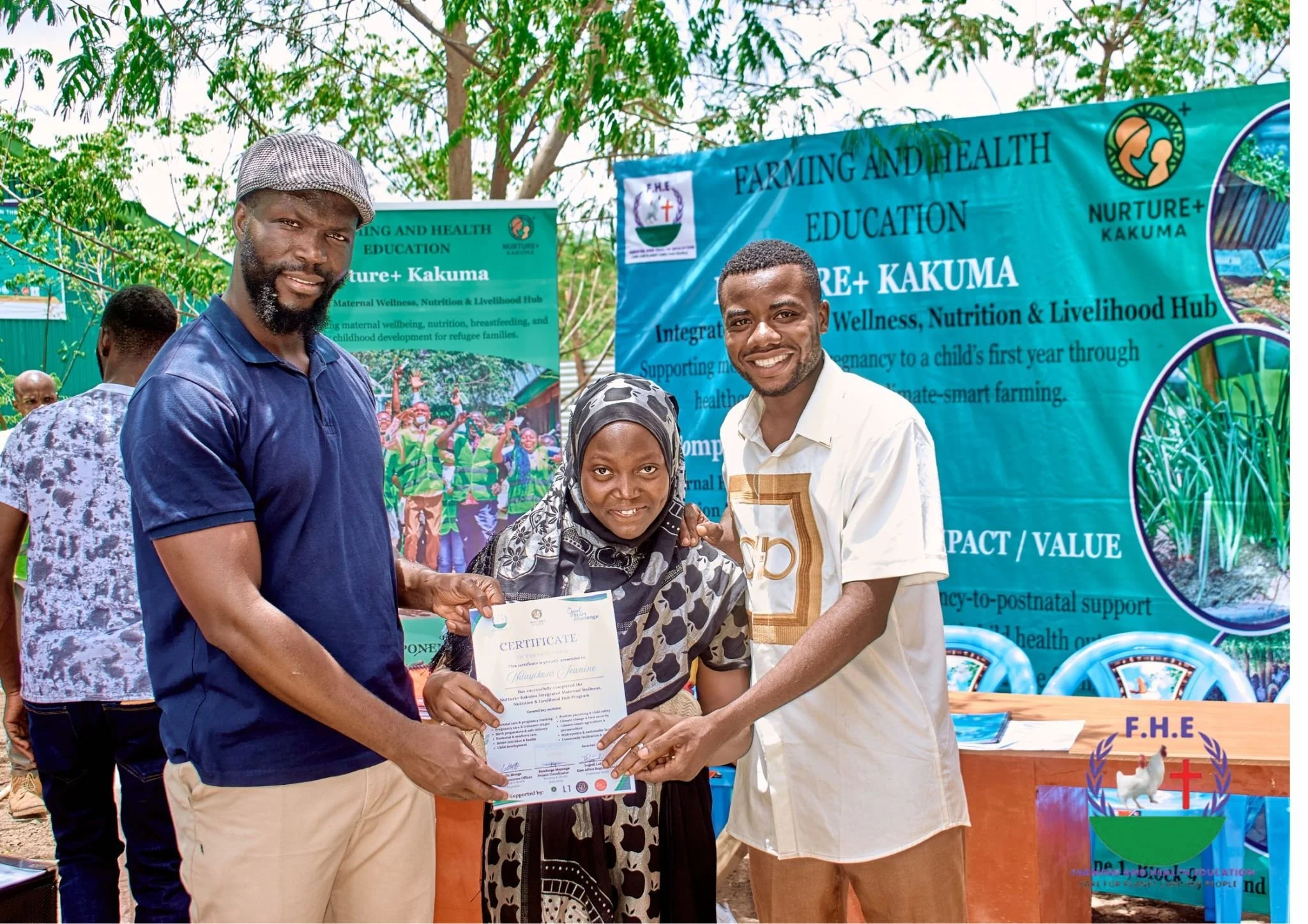
Marcelin (right) at a Farming and Health Education graduation
“The economics course at Amala helped us see that we can also have ventures that bring resources to us, rather than just depending on donations and funding”, says Marcelin. Other young people in Kakuma are interested in agriculture, and how they can use it to be self-sufficient. “Categorisation [recent policy changes to aid distribution in Kakuma] has affected us a lot. People don’t have money.” He also highlights the huge numbers of pregnant women and children who are affected by malnutrition. Marcelin explains that mushrooms improve their health, and has even resulted in some of them being removed from the nutrition programme. “If we’re able to cure without using medication, just using food, we can train more youth and people in the community.”
NGOs became interested in Farming and Health Education, providing Marcelin and his team with training to enable them to keep making an impact in the community. As well as the mushrooms he grows, Farming and Health Education has led to the creation of 800 kitchen gardens and three acres of land as well as 40 farmers who are growing commercially.
After graduating from Amala with his Global Secondary Diploma, Marcelin was able to successfully apply to university and is studying Environmental Science. He has also pursued training in permaculture and soil management, courses with direct practical application which he has integrated into his farming. “The farm is my best teacher”.
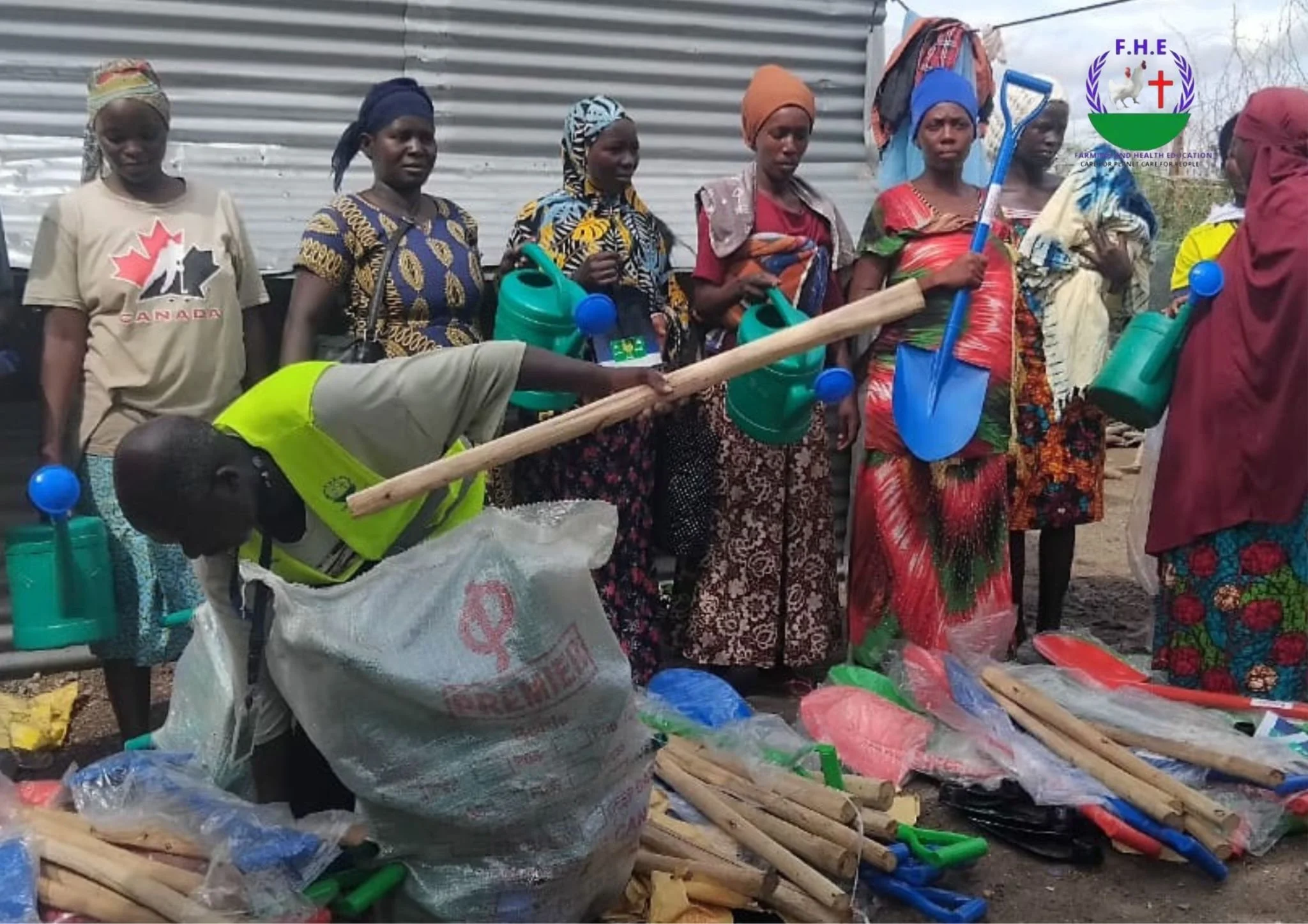
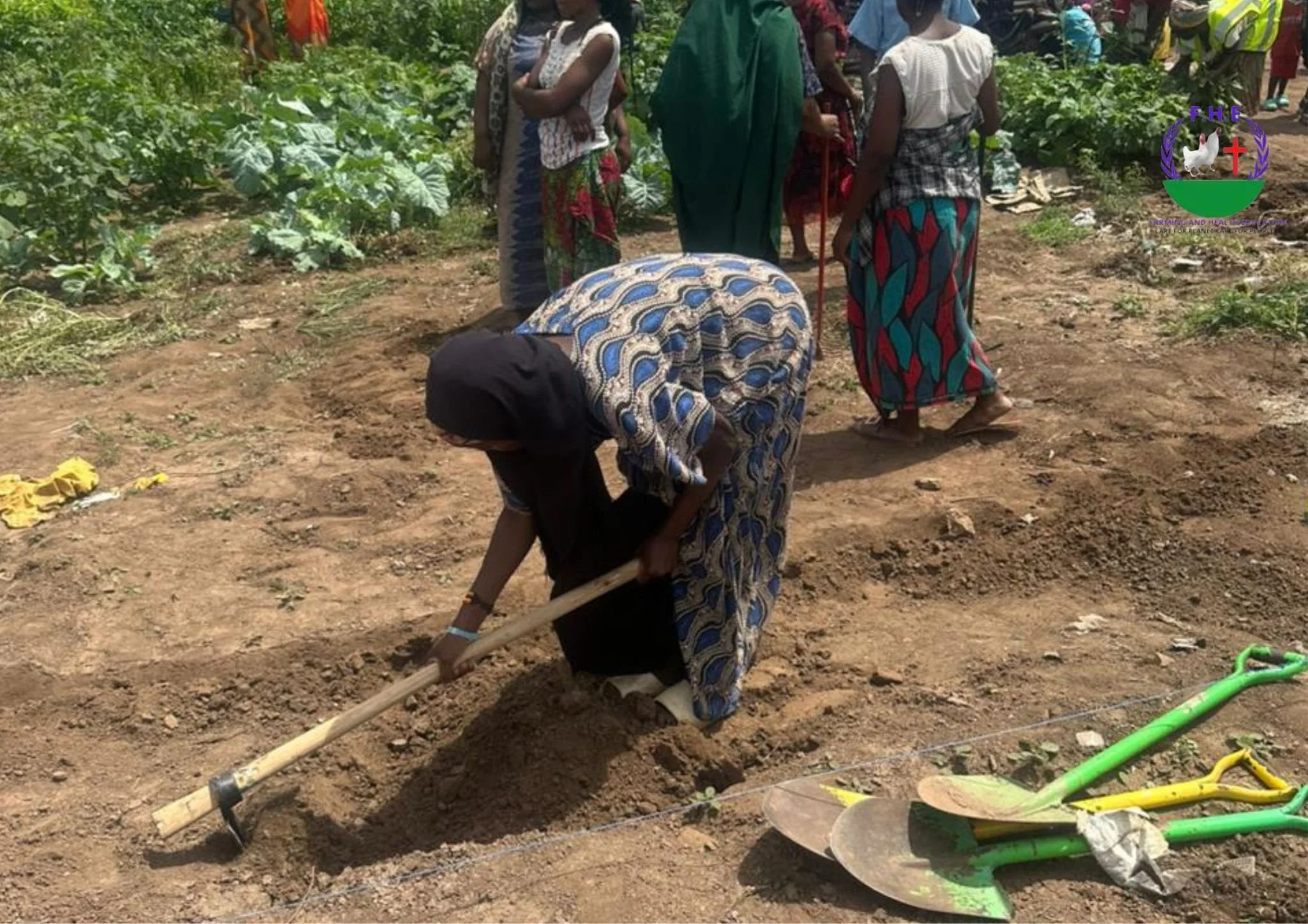
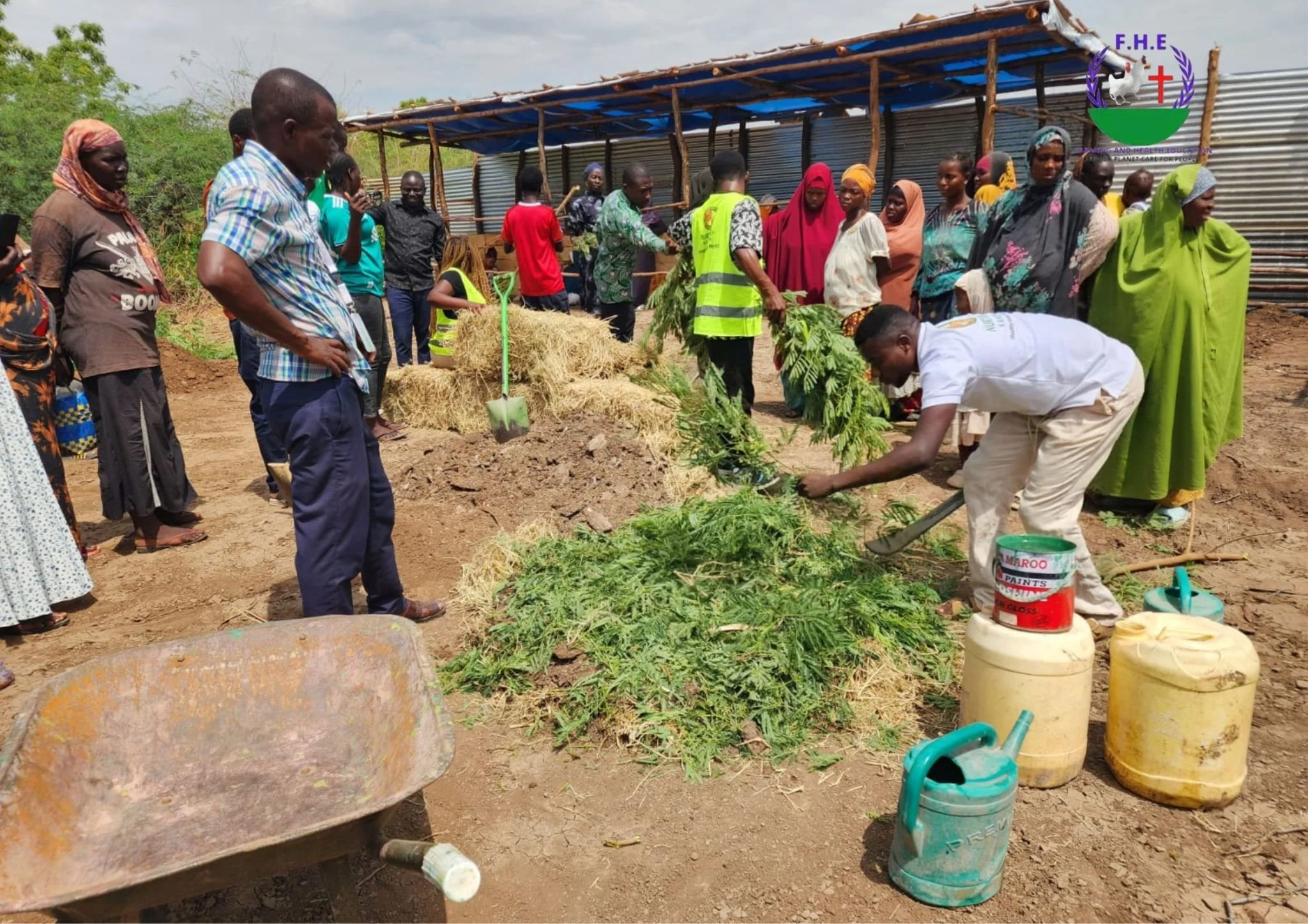
What lies ahead for Marcelin? He hopes to solve the food crisis he sees around him. “I want to train more entrepreneurs in Kakuma. “I also wish to continue with further study, in anything related to agriculture, environment and conservation. As an entrepreneur, I mix and combine my agricultural experience with my professional journey, but it is also my livelihood.”
Marcelin is hopeful that farming can be a way out of poverty for people living in the camp.”I am trying to change the mindset of other refugees, so that we are not just waiting for external aid. We can utilise our skills. We can find solutions to the problems ourselves.”
In a nutshell, says Marcelin, “Amala programmes bring resilience and show the road ahead to the youth around in Kakuma. Amala shapes your mind, giving you a path to go down, and teaches you how to be self-reliant”.