
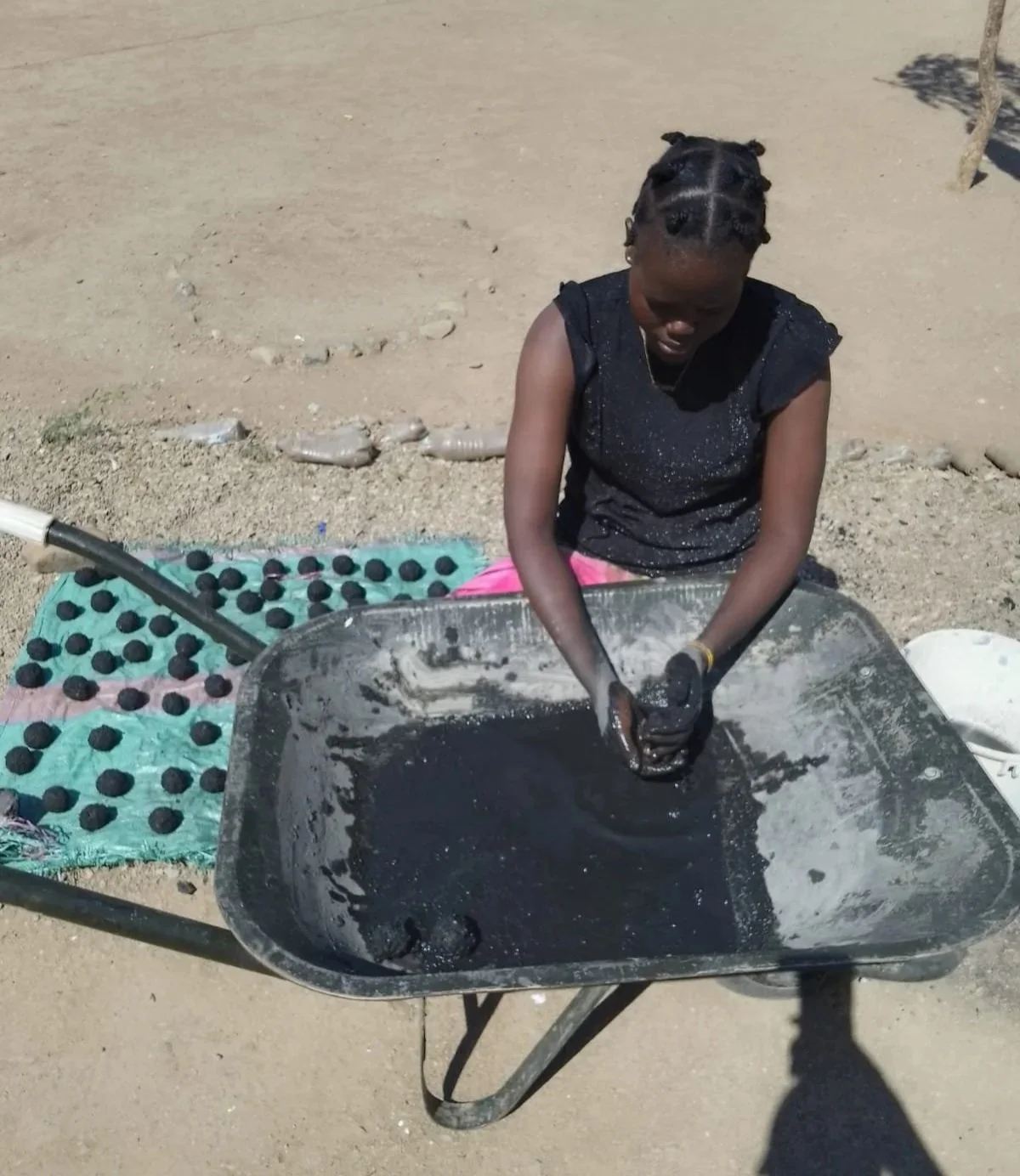
In Kakuma Refugee Camp and Kalobeyei Settlement, charcoal is a daily necessity. For cooking, for warmth, for survival. But a heap of small lumps of charcoal barely lasts a day, and the cost adds up fast for families who are living day to day.
Entrepreneur Peace saw this problem differently. Whilst taking part in Amala and Ki4Bli’s Women’s Entrepreneurship and Leadership programme (WELP), she decided to try to create her own charcoal.
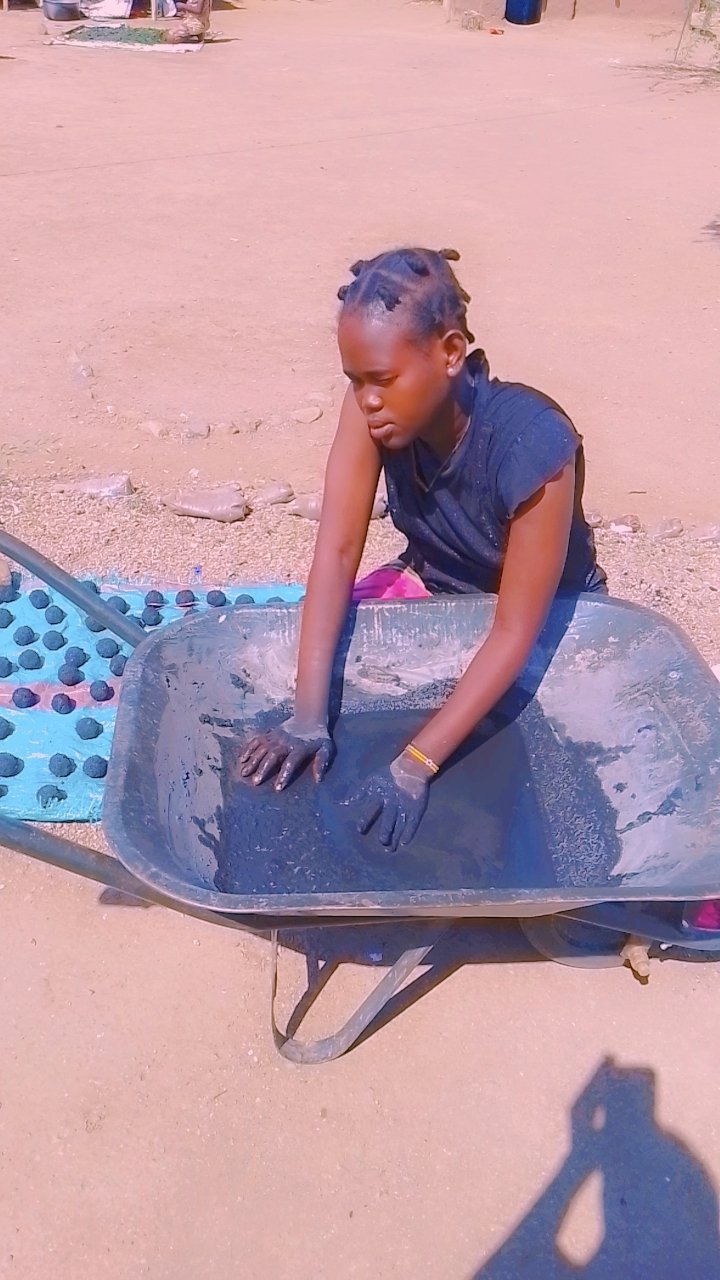
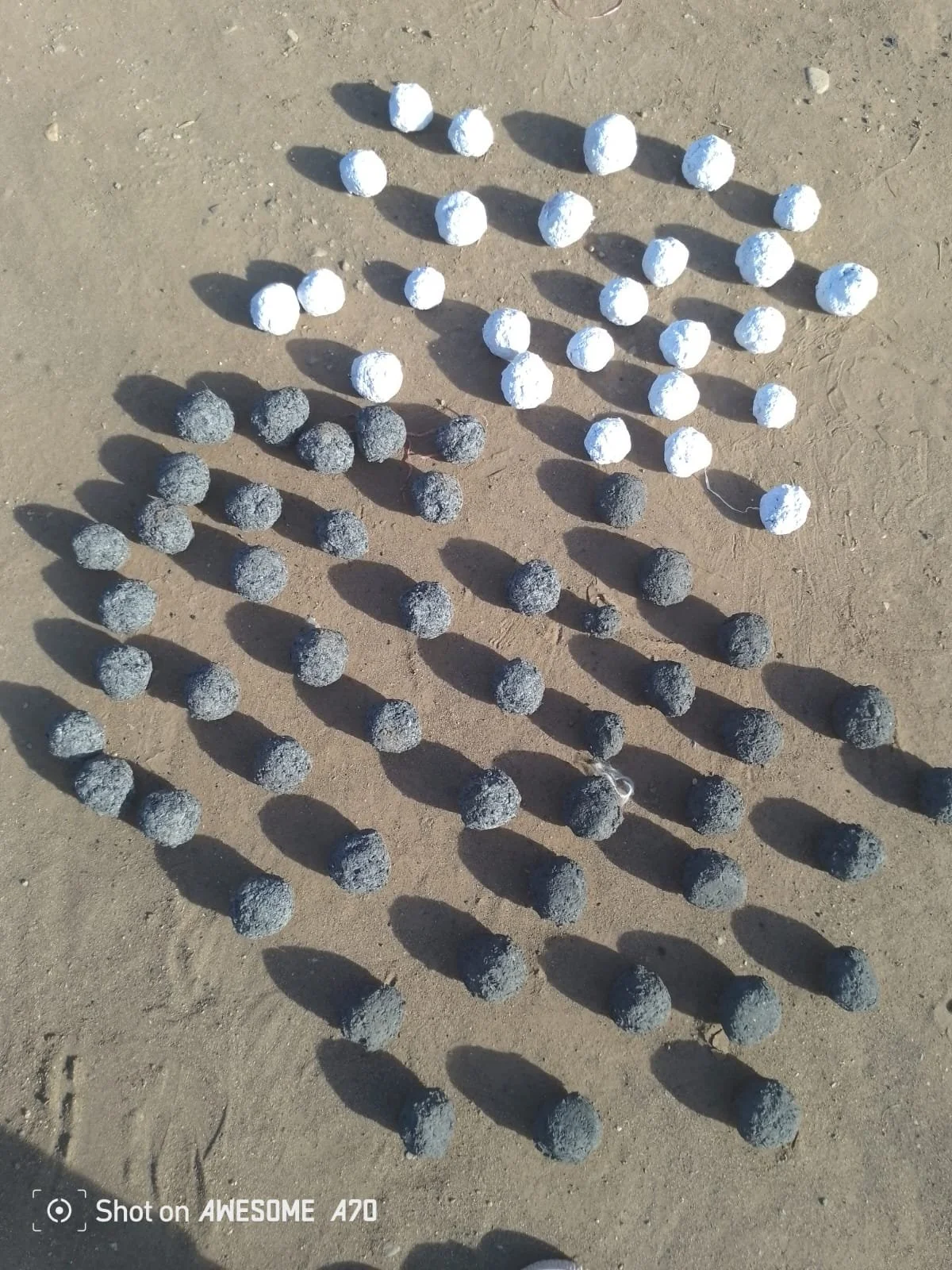
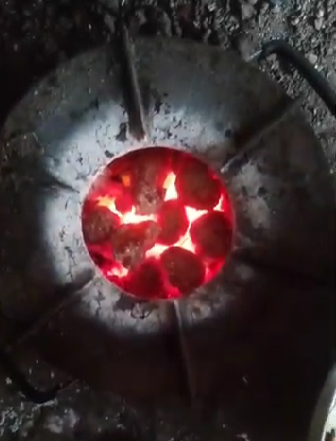
Peace saw a gap in the market for a charcoal alternative, and prototyped a more affordable and more environmentally friendly product than standard charcoal. She uses recycled paper and mixes it with dust from the charcoal, which she gets for next to nothing at the local market. She then soaks the recycled paper in water and then mixes it together with sawdust and dirt to make charcoal balls (briquettes) which she leaves to dry in the sun for two days. These briquettes stay alight for 2 days - double the time of standard charcoal - and she sells 1kg for 30 KSH (approximately $0.25). She usually sells 10 kg per day, and is able to keep all the profit as the production costs are very low.
Peace is therefore able to sustain herself as well as support the community with a cheaper charcoal alternative, exactly what WELP is designed to do: enable women to identify real gaps in their communities and build sustainable businesses to fill them. WELP combines practical entrepreneurship training with mentorship and tailored support such as flexible learning, dignity kits, transport stipends and childcare.
WELP has to date supported over 200 women and young mothers to lead entrepreneurial initiatives which lead to financial self-sufficiency - critical in Kakuma Camp and Kalobeyei Settlement where already scarce resources have in the last year become even more stretched.
Find out more about Amala and our partners’ work with women and girls here.